About Us

Our Vision

Our vision is to preserve and enrich our cultural heritage, ensuring that our traditions, languages, and customs thrive for future generations. We are committed to promoting socio-economic development through enhanced education, and sustainable economic opportunities. We strive for unity and solidarity within our community, fostering collaboration and support across all segments. Globally, we aim to establish a positive presence, sharing our culture and learning from others. We uphold inter-generational responsibility, focusing on the needs of both present and future generations, particularly in education and youth development.

Our Mission

Meca Calgary is committed to the dynamic celebration and conservation of Manyu culture in Calgary. Our initiatives include hosting cultural workshops, offering language classes, and organizing annual Manyu Heritage Festival, which attracts participants from across Canada.
Impact To Community

We provide programs and services to a community of over 20,000 residences in the Greater Toronto Area and beyond.

Donations & Support

Our operations are funded by the support of our donors, members, and other organizations.

WHO WE ARE.

The Manyu Elements Cultural Association (MECA) Calgary embodies the vibrant spirit of the Manyu Division, Cameroon. Distinguished by an illustrious cultural heritage and an unwavering sense of identity, our community thrives amidst the rich backdrops of the lush forests and undulating terrain of Southwest Cameroon.

Our cultural fabric is meticulously woven with vivid rituals, dynamic dances, and a deep veneration for our forebears. Our festivals serve as a vivid tableau, teeming with life and pulsating with the rhythmic resonance of the ‘nkeng’ drum. These festivities breathe life into our community, showcasing ornate masquerades and time-honoured dances that narrate the saga of our lineage and ethical principles.

At the heart of our collective esteem stands the Ekpe society—a revered and esoteric brotherhood committed to maintaining social order and enhancing communal unity and cultural perpetuity. Our resolute dedication to the preservation of our linguistic and cultural legacy, amidst the tides of modernization, is a testament to our community’s resilience and perpetual pride in our identity. MECA Calgary stands as a luminary in safeguarding and promoting our rich cultural traditions.

MECA CALGARY EXECUTIVES

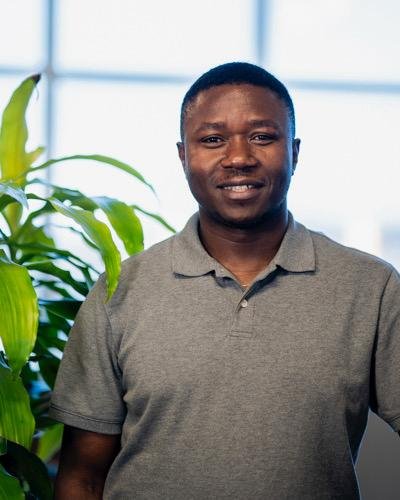
Samuel Ashukem

President

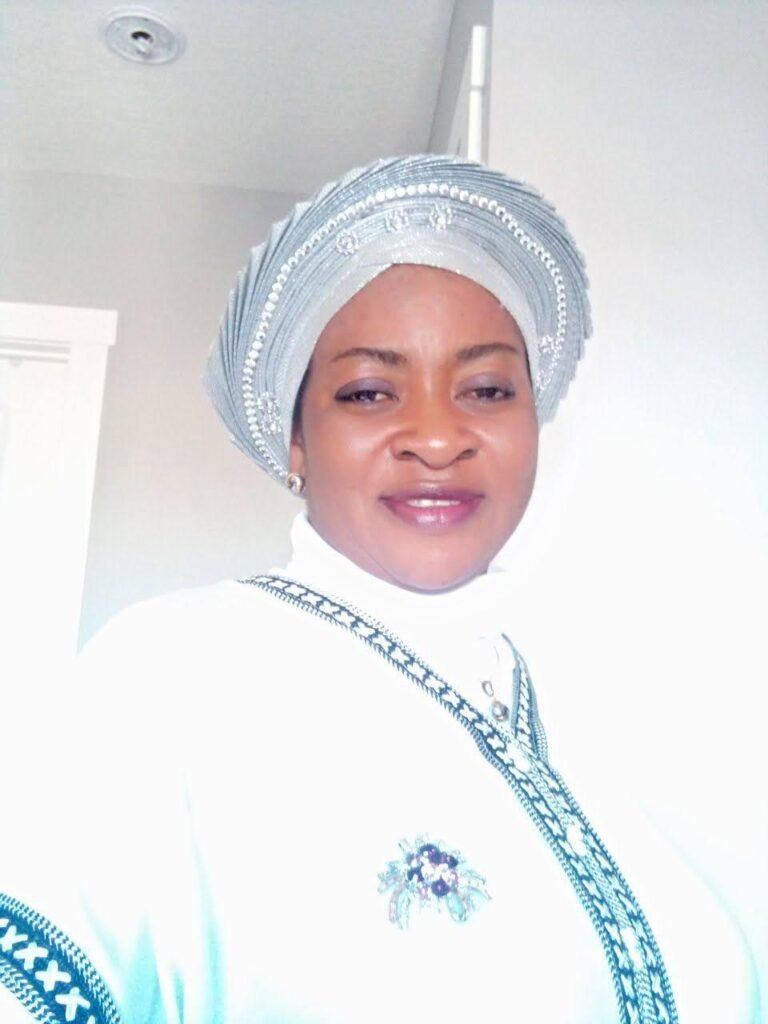
Rose Oben

Vice President

Silvia Etaka

Secretary General

Elvis Obi

Financial Secretary

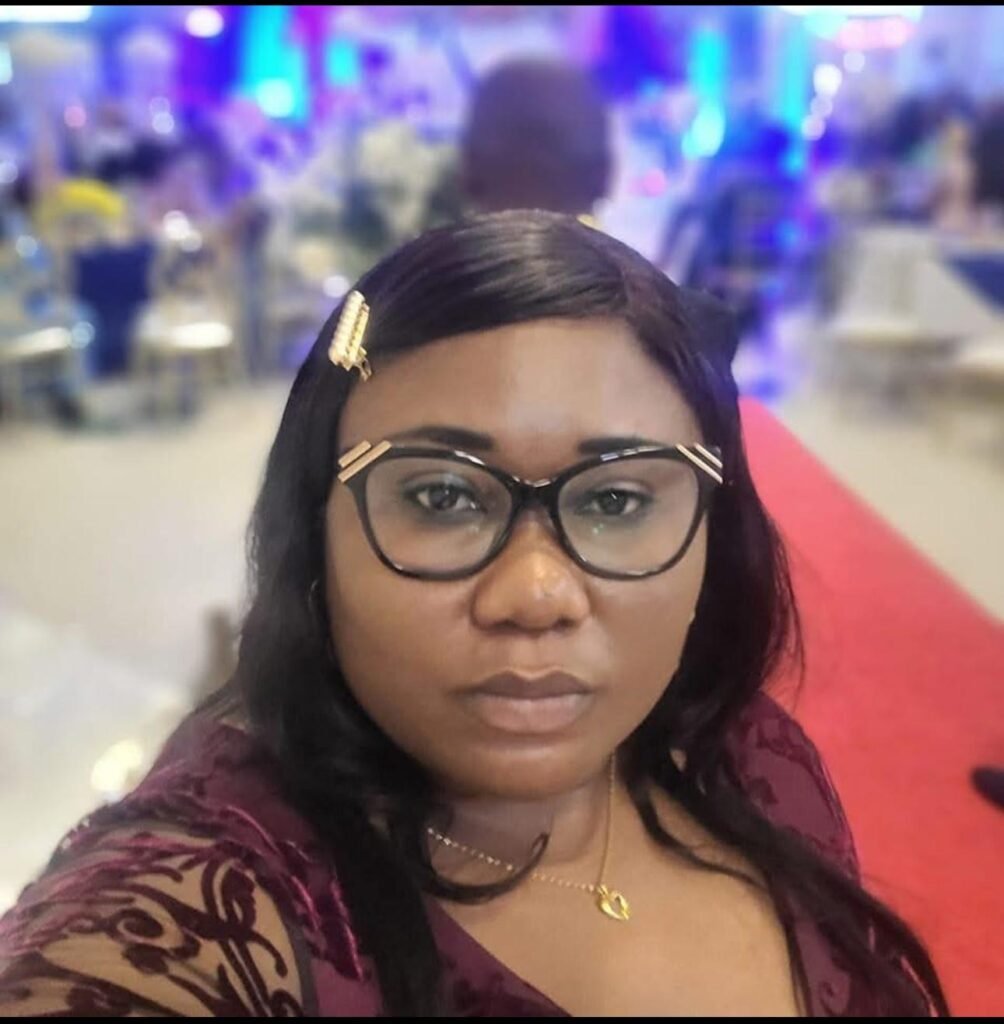
Loveline Benn M

Social Secretary

WE WELCOME NEW PEOPLE

Join MECA CALGARY and help us make a difference in our community

History

The name of the land was officially changed from Mamfe Division to Manyu Division in July 1968 by Decree Number 63/DF/250, naming the Division after the Manyu River.

In July 1968, by Decree No. 63/DF/250, the name was officially changed to Manyu Division, taking its name from the Manyu River—the largest and longest river in the region, with deep historical and economic importance.

The name Manyu carries rich geographical and cultural meaning. In the Kenyang language, Manyu translates to “mouths,” a reference to the numerous river mouths, or confluences, along the river’s course. The most prominent of these is the confluence of the Manyu and Badi Rivers in Mamfe town—a fertile meeting point that attracted Effik fishermen from the Ekoi hegemony as early as 200 AD. These early settlers explored and spread throughout the land, laying cultural foundations that persist today.

The Manyu River is not only a unifying natural feature, but also a lifeline that flows through all four sub-divisions of the region—Upper Bayang, Mamfe Central, Akwaya, and Eyumojock. Other significant tributaries, such as the Akwen River, Barrack Stream, and Mbuh River, also feed into the Manyu River, forming a vast network of waterways that shape the land’s ecology and economy. Additional river mergers occur in areas like the Obang slopes and the Takamanda Forests, all ultimately draining into the Manyu River, which flows westward through Nigeria and into the Atlantic Ocean at the Gulf of Guinea.

The name Manyu thus represents more than a geographical landmark—it embodies a legacy of unity, abundance, and cultural convergence that continues to define the identity of its people.